In the ever-evolving world of e-commerce, driving traffic to your Shopify store is only half the battle. The real win? Converting that organic traffic into loyal customers. In 2025, successful Shopify brands aren’t just optimizing product pages—they’re building end-to-end SEO funnels that guide readers from informative blog content all the way to checkout.
This article walks you through how to design a high-converting Shopify SEO funnel in 2025—blending content strategy, technical optimization, and user experience to turn searchers into buyers.
Why an SEO Funnel Matters More Than Ever in 2025
Google’s algorithm updates (like the 2024 Helpful Content Update refresh) now prioritize user intent and journey alignment. A single optimized product page might rank, but it rarely converts cold traffic. Instead, Google rewards sites that offer comprehensive topical coverage—answering questions at every stage of the buyer’s journey.
Your SEO funnel should mirror this journey:
- Awareness Stage: User searches for “best eco-friendly yoga mats” → lands on a blog post.
- Consideration Stage: Reads comparison guides or reviews → clicks to category/product pages.
- Decision Stage: Evaluates trust signals, pricing, shipping → completes purchase.
By mapping content to each stage, you create a seamless path that both users and search engines love.
Step 1: Map Keywords to the Buyer’s Journey
Don’t just target transactional keywords like “buy yoga mat.” Build a keyword cluster:
- Top of Funnel (TOFU): “What is a non-slip yoga mat?” / “Benefits of natural rubber yoga mats”
- Middle of Funnel (MOFU): “Eco-friendly yoga mat comparison” / “Manduka vs Liforme review”
- Bottom of Funnel (BOFU): “Best non-toxic yoga mat under $100” / “Where to buy sustainable yoga mats online”
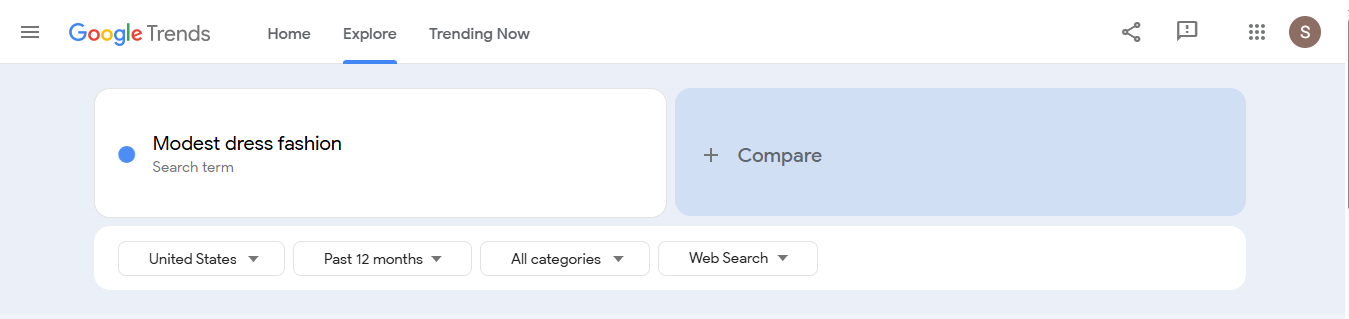
Use tools like Ahrefs, SEMrush, or even Shopify’s native analytics + Google Search Console to identify gaps in your current content.
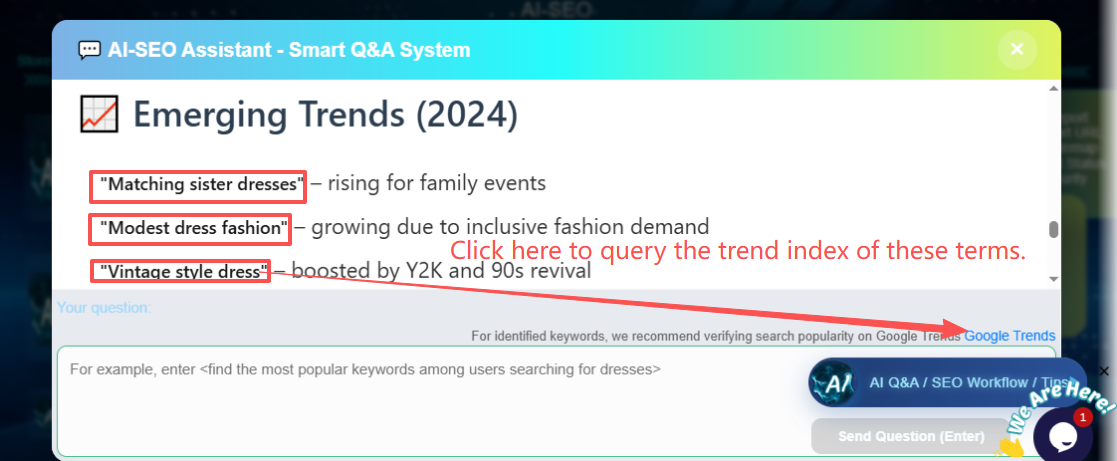
💡 2025 Tip: Leverage AI-powered intent classification. Tools like MarketMuse or Clearscope now auto-tag keywords by funnel stage—saving hours of manual mapping.
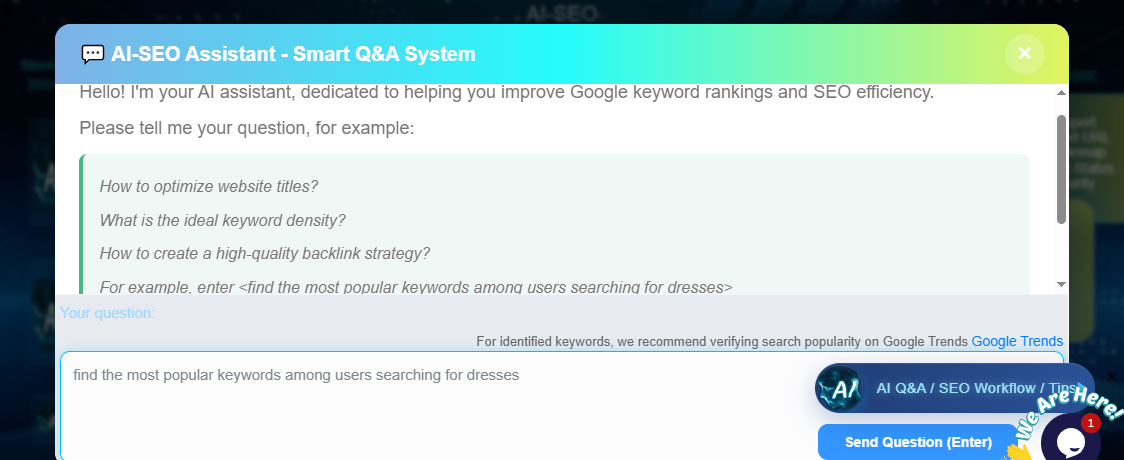
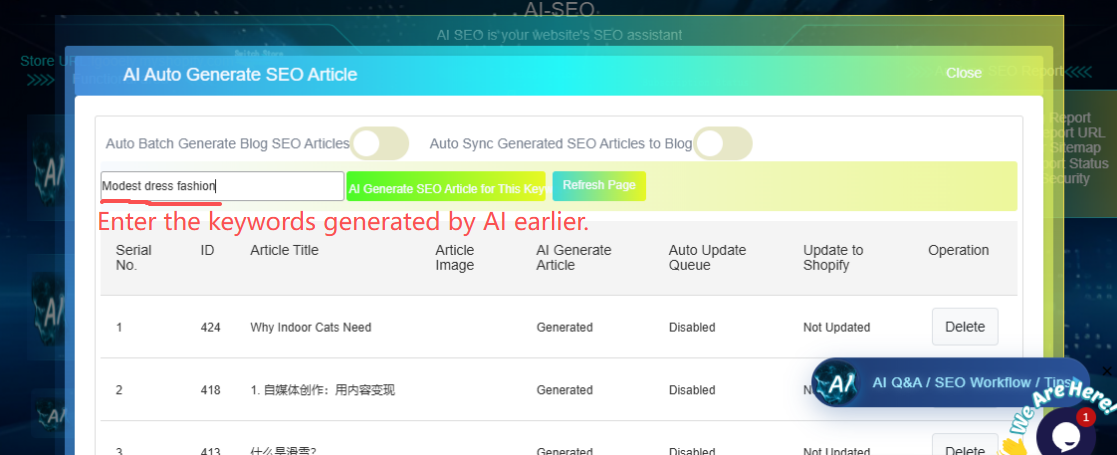
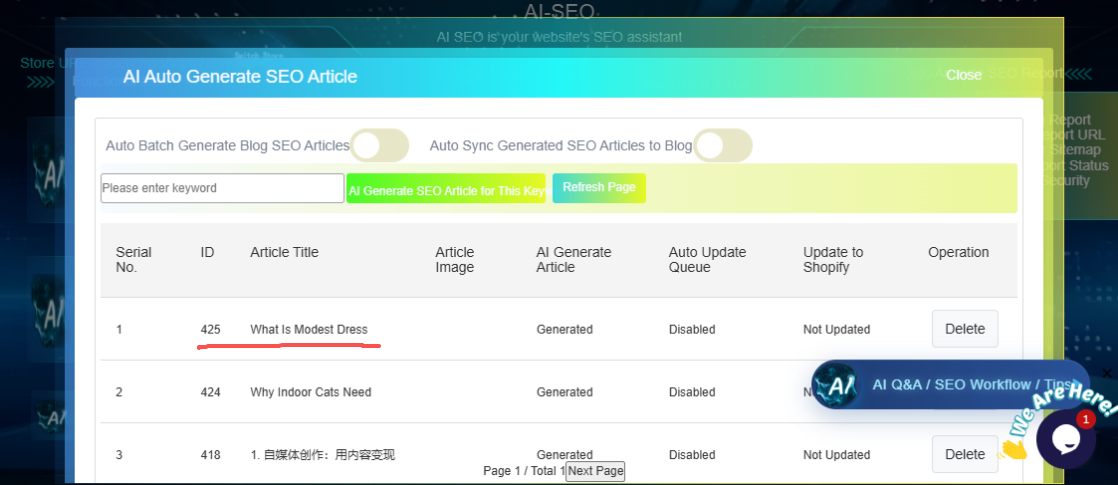
👉Click AI SEO: SEO Agent: Install — Your all-in-one intelligent SEO assistant. No expertise needed, effortless ranking growth.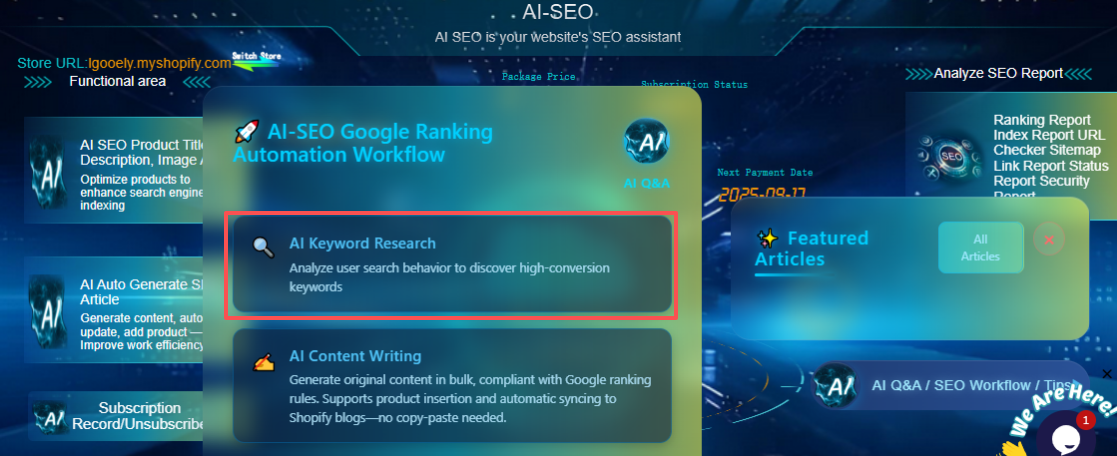



Step 2: Create High-Value, Intent-Matched Blog Content
Your blog isn’t just for SEO—it’s your top-of-funnel engine.
- Write comprehensive guides (2,000+ words) that answer real user questions.
- Embed comparison tables, FAQs, and video demos.
- Include contextual internal links to relevant product/category pages using descriptive anchor text (e.g., “See our best-selling cork yoga mats”).
Example:
A post titled “The Ultimate Guide to Sustainable Yoga Mats in 2025” should naturally link to your “Eco Yoga Mats” collection page—and even specific products like “Cork Yoga Mat – Non-Slip & Biodegradable.”
⚠️ Avoid “hard sells.” At the awareness stage, users want education—not a checkout button.
Step 3: Optimize the Mid-Funnel Experience
Once users click from your blog to a product page, the experience must feel cohesive.
- Match messaging: If your blog praises “non-toxic materials,” highlight certifications (OEKO-TEX, GOTS) on the product page.
- Add trust elements: Customer reviews, shipping info, return policy—all above the fold.
- Use schema markup: Implement Product, Review, and Breadcrumb schema so Google can display rich snippets.
📈 2025 Insight: Google now uses “cross-page relevance” as a ranking signal. If your blog and product pages share semantic consistency (same terms, structure, visuals), you’ll rank higher and convert better.
Step 4: Reduce Friction at Checkout
Even the best SEO funnel fails if checkout is clunky.
- Enable Shop Pay or Apple Pay for 1-click purchases.
- Display trust badges (SSL, secure checkout icons).
- Offer free shipping thresholds with real-time progress bars (“You’re $12 away from free shipping!”).
- Retarget cart abandoners via email/SMS—but only after ensuring your on-site UX is flawless.
🔍 Bonus: Use Hotjar or Microsoft Clarity to watch session recordings. See where users drop off between blog → product → cart.
Step 5: Measure & Iterate with Funnel Analytics
Don’t just track “organic traffic.” Track funnel progression:
- % of blog visitors who click to product pages
- Product page → add-to-cart rate
- Cart → purchase conversion rate
In Google Analytics 4 (GA4), build a custom funnel report:
- Landing page = /blog/eco-yoga-guide
- Next step = /collections/yoga-mats
- Then = /products/cork-yoga-mat
- Final = /checkout
Identify leaks—and fix them with A/B tests (e.g., changing CTA buttons, adding video reviews).
Final Thoughts: SEO Is a Conversion Engine—Not Just a Traffic Tool
In 2025, the most successful Shopify stores treat SEO as a full-funnel growth lever. They don’t just chase rankings—they engineer journeys.
Start small:
👉 Pick one high-performing blog post.
👉 Audit its internal linking to product pages.
👉 Optimize those product pages for trust + clarity.
👉 Track conversions over 30 days.
Repeat. Scale. Profit.
🔗 Continue Learning: Master Shopify SEO in 2025
← Part 1: Shopify SEO Tutorial (2025) – AI-SEO helps you master the Google SEO process
← Part 2: What Is SEO? Why Your Store Must Do Google SEO
← Part 3: From Invisible to Unstoppable—How to Do SEO on Shopify Without Losing Your Mind
← Part 4: Shopify SEO Keyword Research Guide (2025)
← Part 5: Shopify SEO Tutorial (2025) –Part 5: The 7-Step Product Page Optimization Framework to Boost Rankings Conversions
← Part 6:Shopify SEO Tactics (2025) | Part 6: Turn Your Blog Into a Free Traffic Machine
← Part 7:Shopify SEO Tactics (2025) |Part 7: Collection Page SEO — Building High-Authority Category Pages
← Part 8:Shopify SEO Tactics (2025) |Part 8:From Blog Post to Checkout: Building a Shopify SEO Funnel That Converts← You're here
→ Next: Part 9: Voice Search & Visual SEO – Optimizing Your Shopify Store for AI-Powered Discovery in 2025(Coming Next Week)
📌 Subscribe to the Shopify SEO 2025 Series