Stop Obsessing Over Product Pages—Your Collection Pages Are the Real SEO Goldmine
Yes, product pages matter—but if you truly want to dominate Google rankings, drive consistent organic traffic, and become the go-to authority in your niche, you need to treat your collection pages (also called category or product group pages—like /collections/womens-running-shoes or /collections/organic-skincare) as strategic assets.
Why? Because when users search for things like “best running shoes for flat feet” or “organic face moisturizer recommendations,” Google overwhelmingly favors content-rich, trustworthy collection pages—not isolated product listings.
In short: Collection pages aren’t catalogs—they’re your brand’s ultimate buyer’s guides.
And today, I’ll walk you through exactly how to turn your Shopify collection pages into high-ranking, high-converting traffic engines.
🔥 Why Collection Pages Are Your SEO “Golden Asset”
- Massive Keyword Coverage A single collection page can naturally rank for dozens of long-tail keywords—like “vegan leather handbags” or “black crossbody bag under $50.” A product page? Maybe 3–5.
- Easier to Earn Backlinks Bloggers writing “Top 10 Organic Moisturizers of 2025” will link to your /collections/organic-moisturizer—not a specific SKU. It’s simply more useful as a reference.
- Powerful Internal Link Hubs Well-optimized collection pages act like SEO lighthouses, channeling authority down to every product they contain—lifting your entire category.
- Lower Bounce Rates, Higher Engagement When users find real guidance (not just a grid of products), they browse longer, click more, and explore deeper—sending strong positive signals to Google.
✅ Step 1: Ditch Guesswork—Use Data to Name Your Collections
No more “New Arrivals” or “Best Sellers” as your only strategy.
Let real search behavior tell you what collections to build.
Recommended Tools:
- Ahrefs / SEMrush: Analyze “Parent Topics” and keep Keyword Difficulty (KD) under 30 when possible
- Google Keyword Planner: Track search volume trends (avoid fleeting fads)
- AnswerThePublic: Uncover real user questions like “Are organic skincare products actually better?”
Target These 4 Keyword Types:
- Informational: “What’s the best organic moisturizer for sensitive skin?”
- Navigational: “[Your Brand] organic skincare collection”
- Transactional: “Buy vegan handbags online”
- Comparative: “Organic vs non-organic moisturizer—what’s the difference?”
💡 Pro Tip: Focus each collection page on 1 primary keyword + 3–5 semantically related terms. Don’t spread yourself thin!
✅ Step 2: Nail Your URLs & Page Titles—First Impressions Count
Keep URLs Clean, Readable & Keyword-Rich
✅ Good: /collections/organic-face-moisturizer
❌ Bad: /collections/c12345 or /collections/skincare-1
Craft Compelling Page Titles (<60 Characters)
Use this format:
Primary Keyword | Brand
or
Best [Category] 2025 | Brand
👉 Examples:Organic Face Moisturizer | GreenGlowBest Running Shoes for Flat Feet 2025 | RunEasy
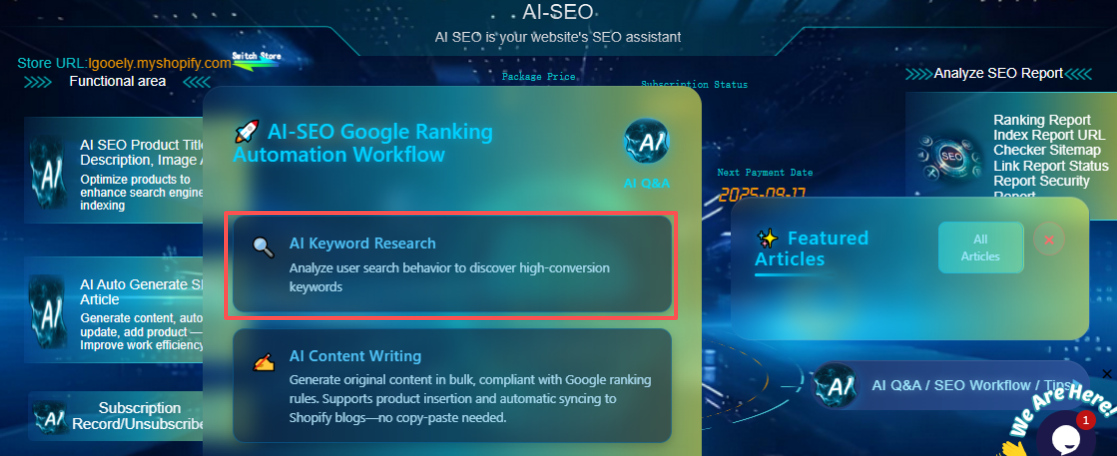
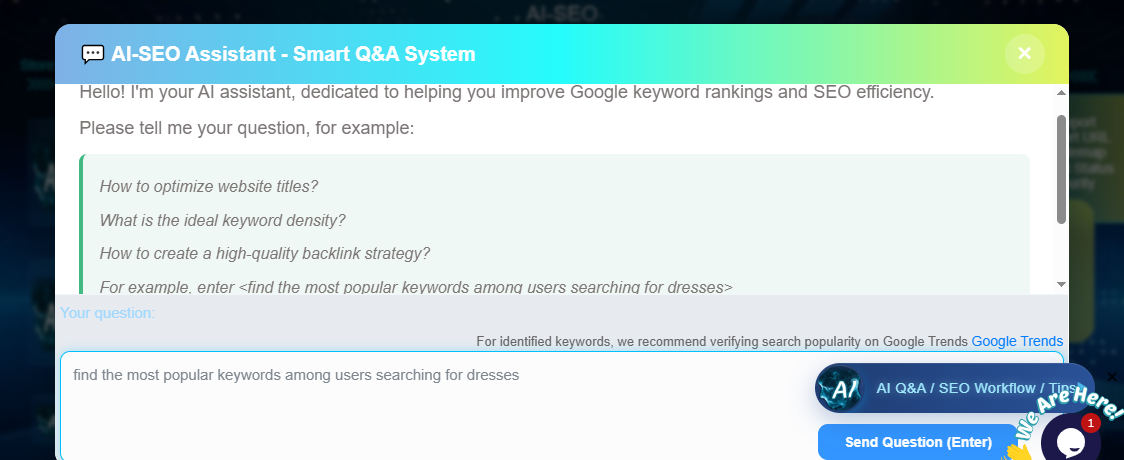
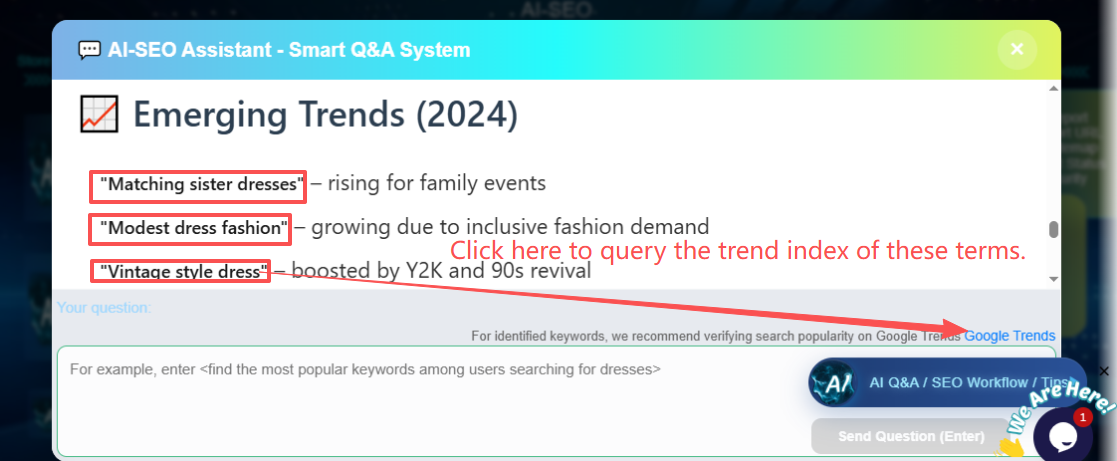
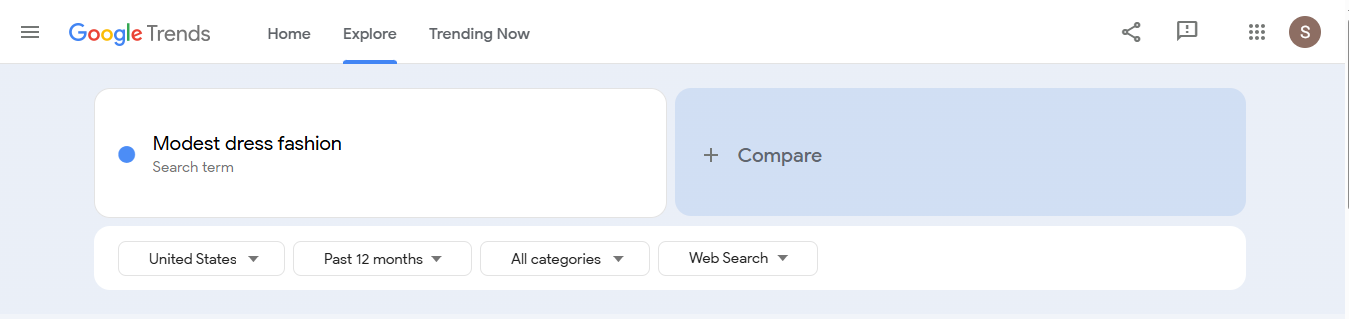
👉Click AI SEO: SEO Agent: Install — Your all-in-one intelligent SEO assistant. No expertise needed, effortless ranking growth.
✅ Step 3: Add Real Content—Don’t Just Drop a Product Grid
Shopify’s default collection layout? Just images and prices. That’s leaving SEO—and sales—on the table.
You must add these human-centered elements:
📝 1. An Engaging Intro Paragraph (Above the Fold)
Ditch generic fluff like “Welcome to our collection.” Instead, answer real questions:
“Looking for a truly natural face moisturizer free from parabens, sulfates, and synthetic fragrances? Our handpicked selection features only ECOCERT-certified formulas that deeply hydrate, strengthen your skin barrier, and are safe for even the most reactive skin—all dermatologist-tested and eco-friendly.”
📋 2. A Simple Buying & Filtering Guide
Help shoppers choose—and capture more long-tail traffic:
“Not sure which moisturizer suits your skin? Dry skin loves shea butter; oily types should look for ‘oil-free’ labels; acne-prone skin? Avoid coconut oil.”
🏆 3. “Editor’s Picks” or “Top Sellers”
Manually feature 3–5 standout products with short, honest reasons:
“🌟 Editor’s Pick: Lavender Dream Cream — 98% natural, clinically proven overnight repair, and a 73% repeat purchase rate.”
🔗 4. Smart Internal Linking
- Link to relevant blog posts: “How to Read Organic Skincare Labels”
- Link to sub-collections:
/collections/night-creams,/collections/oily-skin-care
✅ Step 4: Don’t Skip the Technical Details
| Element | Best Practice |
|---|---|
| Meta Description | Write ~150 compelling characters with keywords + clear value |
| H1 Tag | Match or closely align with your title—keep it unique site-wide |
| Image ALT Text | Be descriptive: “lavender organic face cream in glass jar, 50ml” |
| Pagination | Use rel="canonical" on page 2+ pointing back to page 1 |
| Structured Data | Implement CollectionPage or ItemList schema (try apps like JSON-LD for SEO) |
💡 Try tools like SEO Manager or Plug in SEO to audit technical health fast.
✅ Step 5: Build Authority Off-Page
- Guest Blogging: Write “The Ultimate Guide to Organic Skincare” on beauty sites—with a link back to your collection
- Resource Page Outreach: Ask bloggers to include your page in roundups like “Top Sustainable Skincare Resources”
- Social Promotion: Share a “Top 5 Organic Moisturizers” carousel on Pinterest or Instagram—link directly to your collection
🚫 Common Pitfalls to Avoid
| Mistake | Fix It Like This |
|---|---|
| Generic copy across all collections | Write unique, tailored content for every page |
| Ignoring mobile UX | Ensure text is readable and filters work smoothly on phones |
| Relying only on auto-sorting | Manually feature bestsellers and top-rated items |
| Never refreshing content | Update annually (“2025 Picks”), add new products, retire old ones |
📊 Real Success: EarthHero’s Approach
This sustainable e-commerce brand:
- Adds 300+ words of buying advice, sustainability info, and filtering tips to every collection
- Uses clean URLs like
/collections/zero-waste-kitchen - Result? Multiple collection pages rank on Page 1 of Google—with organic traffic driving over 60% of total visits.
✅ Final Checklist: Is Your Collection Page Ready?
- Named based on real keyword research
- Contains original, helpful content (no templates!)
- Optimized Title, Meta, H1, and ALT tags
- Includes a buying guide + editor’s picks
- Links internally to blogs and sub-collections
- Has earned (or is earning) quality backlinks
- Gets refreshed at least once a year
One Last Thought:
In e-commerce SEO, collection pages aren’t shelves—they’re conversations.
When you treat them like the ultimate guide your customer wishes they had, Google rewards you with traffic that doesn’t just visit… it converts.
🔗 Continue Learning: Master Shopify SEO in 2025
← Part 1: Shopify SEO Tutorial (2025) – AI-SEO helps you master the Google SEO process
← Part 2: What Is SEO? Why Your Store Must Do Google SEO
← Part 3: From Invisible to Unstoppable—How to Do SEO on Shopify Without Losing Your Mind
← Part 4: Shopify SEO Keyword Research Guide (2025)
← Part 5: Shopify SEO Tutorial (2025) –Part 5: The 7-Step Product Page Optimization Framework to Boost Rankings Conversions
← Part 6:Shopify SEO Tactics (2025) | Part 6: Turn Your Blog Into a Free Traffic Machine
← Part 7:Shopify SEO Tactics (2025) |Part 7: Collection Page SEO — Building High-Authority Category Pages← You're here
→ Next:Shopify SEO Tactics (2025) |Part 8:From Blog Post to Checkout: Building a Shopify SEO Funnel That Converts(Coming Next Week)
📌 Subscribe to the Shopify SEO 2025 Series