Your blog isn’t a “nice-to-have” feature—it’s your 24/7 free traffic engine.
It quietly attracts qualified visitors, builds trust in your brand, and gently guides high-intent users straight to your product pages.
Think about it: when someone searches Google for “how to care for a leather sofa” or “best running shoes for flat feet,” they almost never land on your homepage. They click directly into your blog post.
And one well-optimized article can keep delivering free, compounding traffic—for months, even years.
In this guide, I’ll walk you through how to build a high-converting, SEO-powered Shopify blog—step by step. From topic selection and keyword research to writing, optimization, and turning readers into customers. All 7 steps, fully actionable.
🔹 Step 1: Why Your Shopify Blog Is Your “Free Traffic Nuclear Reactor”
Most Shopify store owners treat their blog like an afterthought. But the pros? They use it as a low-cost customer acquisition machine that boosts rankings, builds authority, and fuels long-term growth.
✅ The 4 Core SEO Benefits of Blogging:
| Benefit | Why It Matters |
|---|---|
| 1. More Indexed Pages = Stronger Domain Authority | Every new post gives Google another reason to see your site as active, valuable, and worth ranking. |
| 2. Capture Long-Tail Keyword Traffic | “Running shoes” is ultra-competitive. But “best cushioned running shoes for flat feet”? Clear intent, lower competition, higher conversion potential. |
| 3. Build Expertise & Trust | When someone reads your guide “How to Choose the Right Yoga Mat Thickness,” they don’t see you as just another store—they see you as a trusted advisor. |
| 4. Lower Bounce Rate, Increase Dwell Time | Engaging content keeps visitors reading longer. Google notices—and rewards your entire site with better rankings. |
🎯 Real Example: A pet supply store published “7 Causes of Soft Stool in Cats & How to Fix Them.” Within 3 months, it ranked top 3 on Google, drove 800+ organic visits/month, and boosted sales of their probiotic supplement by 35%.
🔹 Step 2: Stop Writing “New Arrival” Posts! Map Content to the Buyer’s Journey
People don’t wake up ready to buy. They first recognize a problem, explore solutions, compare options, and finally decide. Your blog should walk beside them every step of the way.
| Content Type | User Stage | Example Title |
|---|---|---|
| Educational / Problem-Aware | Awareness | “Is Your Dog Allergic to Chicken? Here’s How to Tell” |
| How-To Guides / Tutorials | Consideration | “5 Steps to Slim Your Face Using Our Gua Sha Tool” |
| Trend Reports / Deep Dives | Trust-Building | “Top 5 Natural Skincare Trends You’ll See in 2025” |
| Behind-the-Scenes / New Launches | Decision | “How We Created a Zero-Irritation Cleanser (After 18 Months of Testing)” |
| Customer Case Studies | Social Proof | “My 30-Day Test: Did This Shampoo Really Reduce Hair Breakage?” |
📌 Pro Tip: Around 80% of your organic traffic will come from educational and how-to content—so prioritize these first.
🔹 Step 3: How to Find Keywords That Actually Convert
Goal: Find terms with decent search volume, low competition, and clear relevance to your products.
✅ My 5-Step Keyword Research Framework:
- Brainstorm seed keywords
Start broad: “yoga,” “skincare,” “pet nutrition.” - Use tools to uncover long-tails
Free: Google Keyword Planner, Ubersuggest
Paid (worth it): Ahrefs, SEMrush—especially for spying on competitors. - Mine Google’s “People Also Ask” & “Related Searches”
Scroll to the bottom of any search result—goldmine of real user questions. - Check search intent
✅ Great for blogs: Informational (“how to,” “why does,” “best X for Y”)
❌ Avoid for blogs: Transactional (“buy,” “cheap,” “discount”)—save those for product pages. - Filter by smart metrics
📌 Example:
Seed: “yoga” → Long-tail: “6 beginner yoga poses for home practice”
Volume: 1.2K/mo | Competition: Medium | Intent: High → Perfect topic!
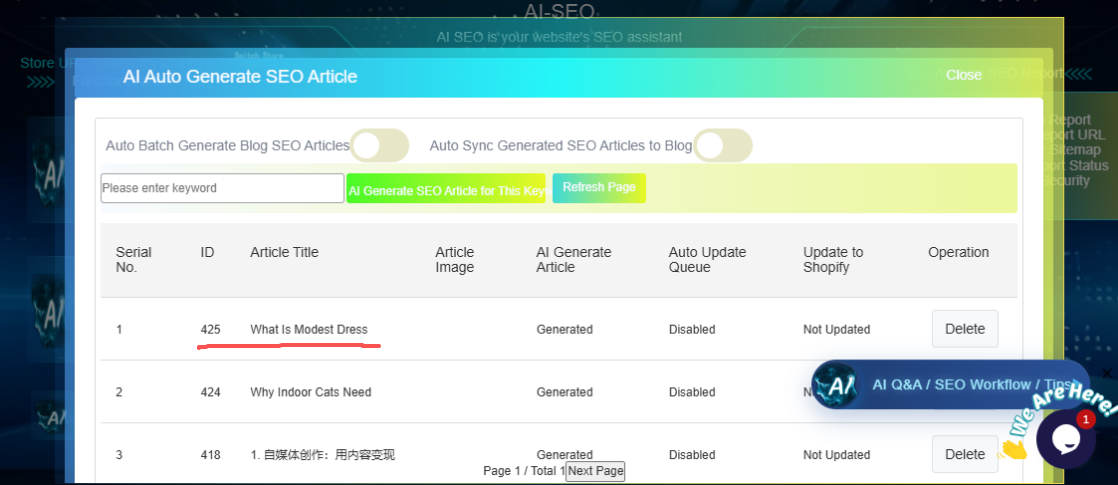
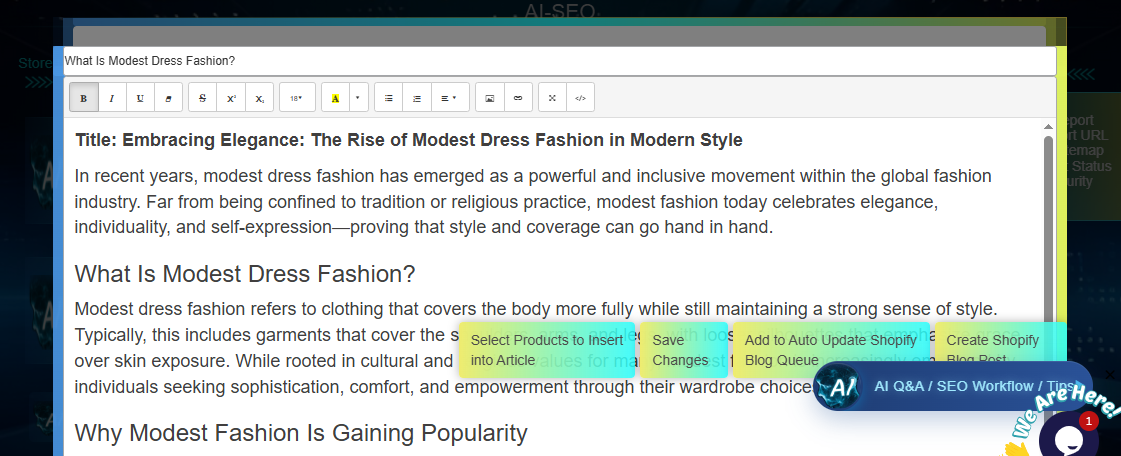
AI SEO: SEO Agent: Your all-in-one intelligent SEO assistant. No expertise needed, effortless ranking growth.
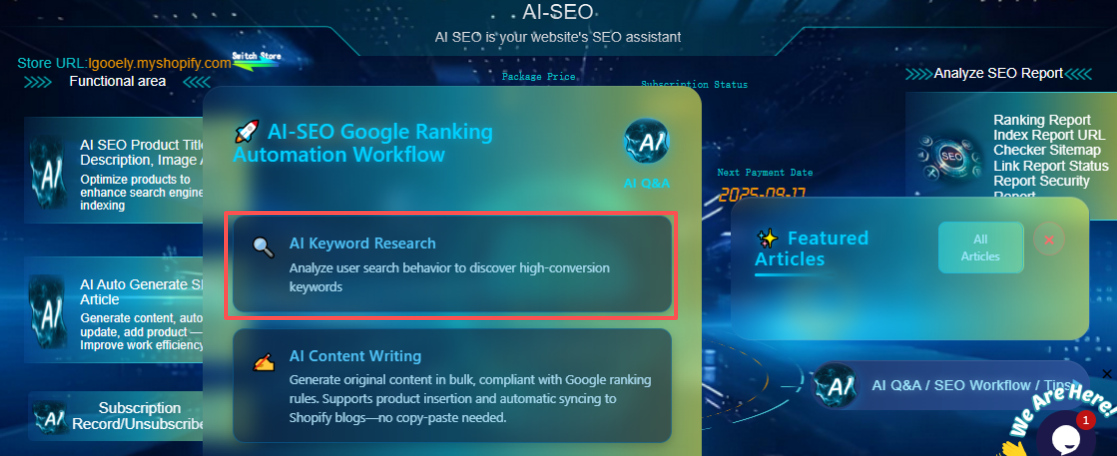
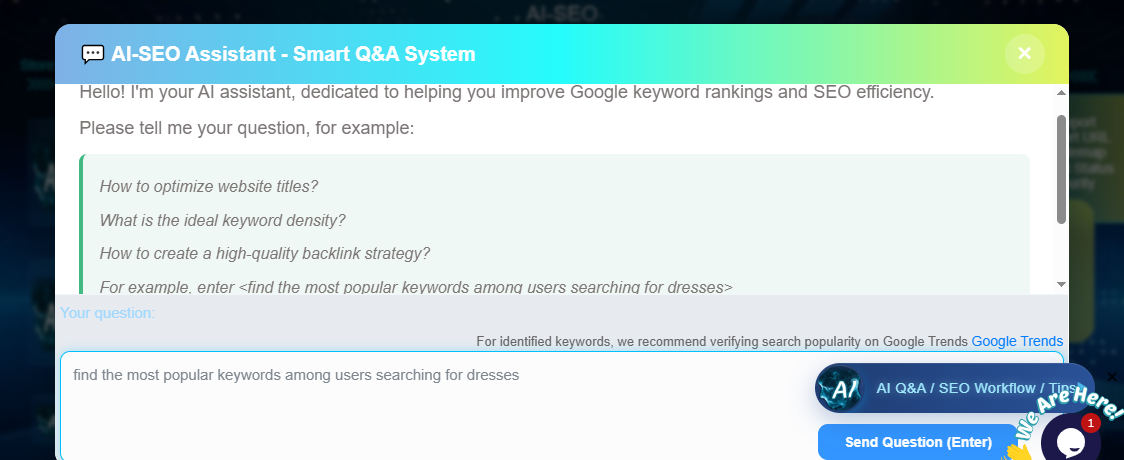
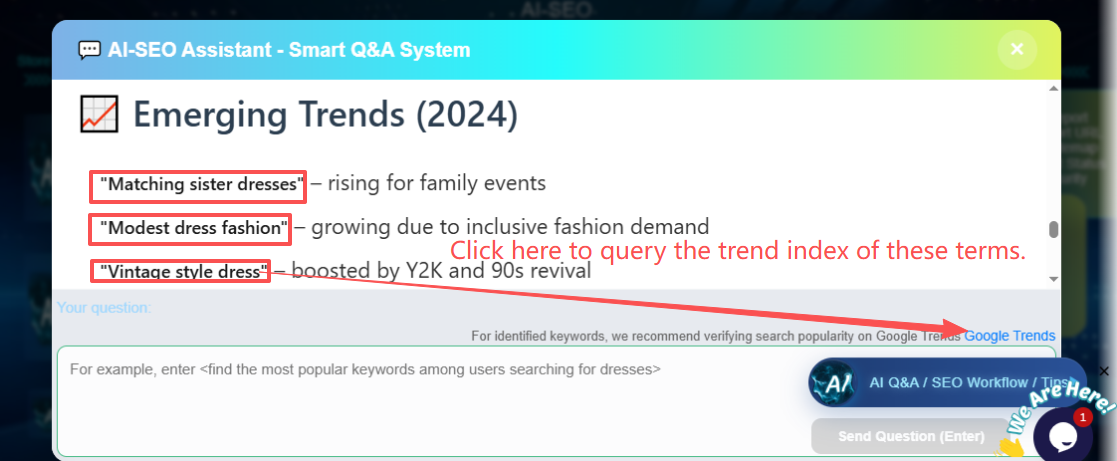
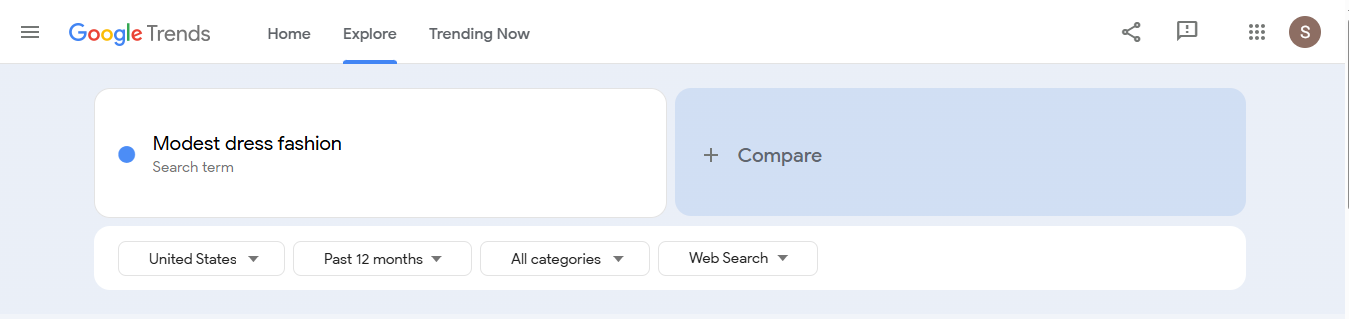
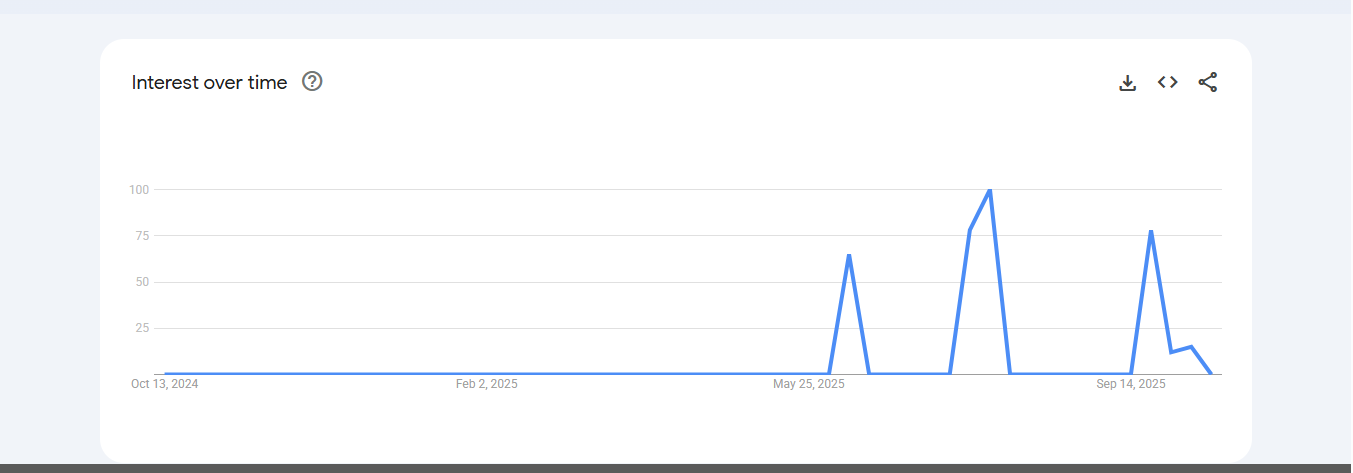
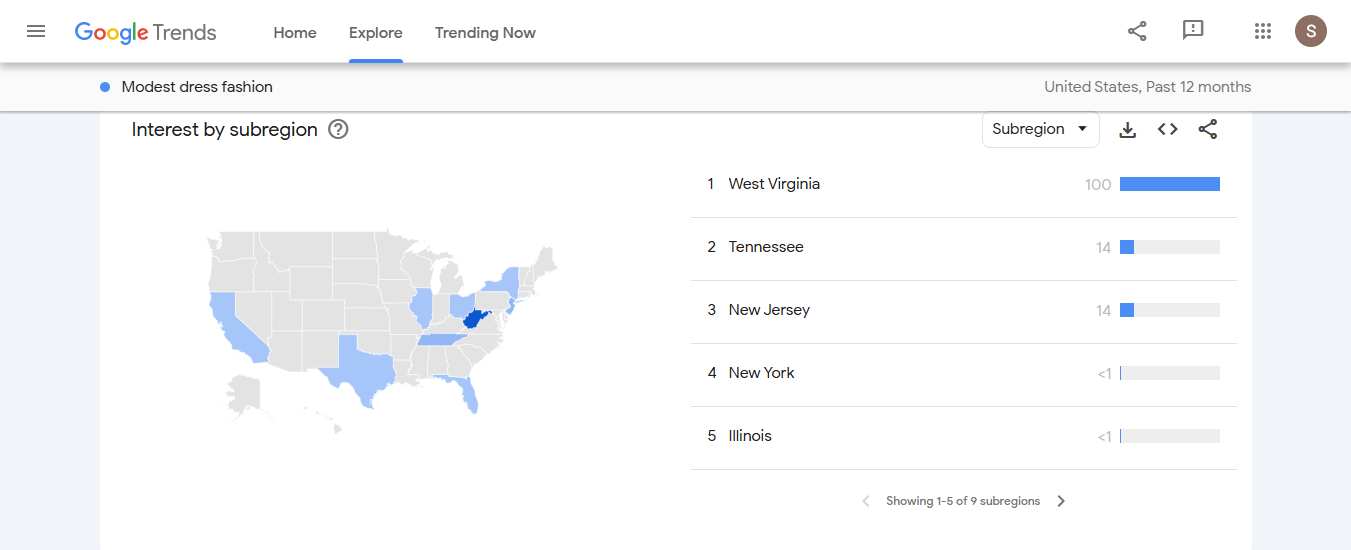
🤖 Quick note: Tools like AI SEO can now help you analyze keywords, generate outlines, and even suggest optimizations—making SEO accessible even if you’re not a tech expert. But remember: tools assist; your voice and insight make the content unforgettable.
🔹 Step 4: Write Content People Actually Want to Read (and Share)
Keywords are the skeleton—but great content has soul. No one shares a robotic, shallow AI dump.
✅ Golden Rules for Human-Centered Writing:
- Solve a real problem
Ask: “What will my reader gain from this?” - Structure for skimmers
Use clear H2/H3 headings so key takeaways pop in seconds. - Go deeper, not just longer
Don’t just list “5 running shoes”—explain why each works for flat feet, based on arch support, cushioning, etc. - Write like you’re talking to a friend
Ditch jargon. Use “you,” contractions, and warmth. - Show, don’t just tell
Add high-quality photos, simple infographics, or short demo videos. - End with an invitation
“Which back support pillow have you tried? Share your experience below!”
AI SEO: SEO Agent: Your all-in-one intelligent SEO assistant. No expertise needed, effortless ranking growth.
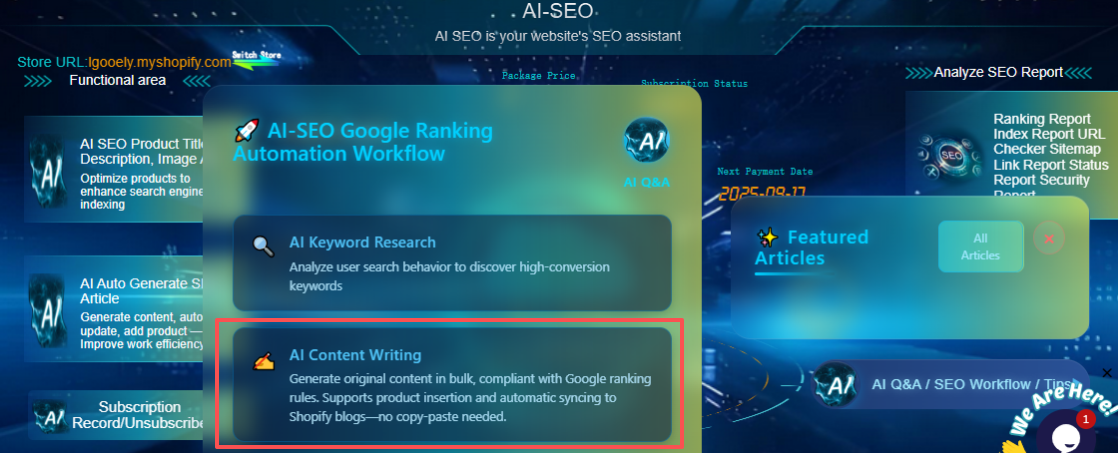
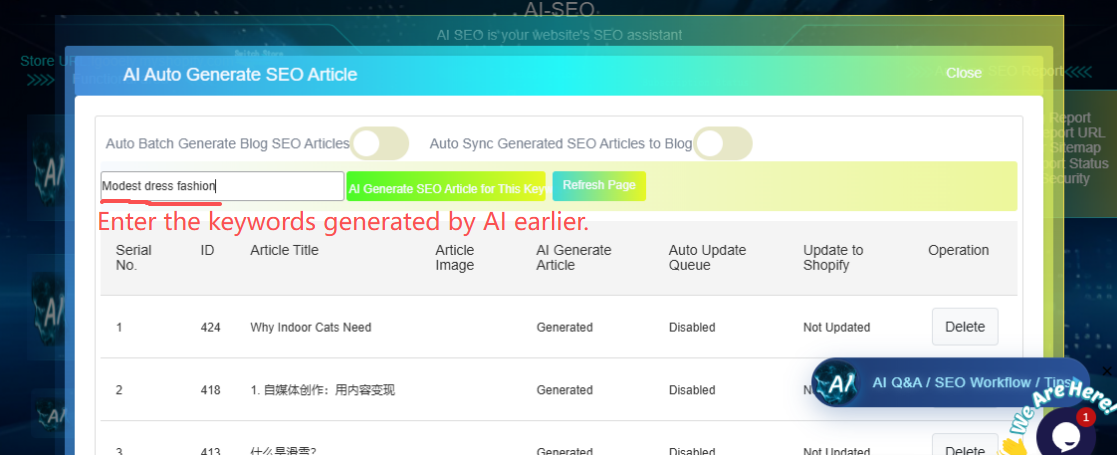
🚫 Never: Copy-paste supplier descriptions or scrape content from other sites. Google penalizes duplicate content—hard.
🔹 Step 5: On-Page SEO Checklist (Don’t Skip This!)
Spend 10 minutes optimizing before you hit “Publish.” It could multiply your traffic.
| Element | Do This ✅ | Never Do This ❌ |
|---|---|---|
| Title Tag | “Beginner Yoga Guide: 6 Poses + Pro Tips | [Brand]” |
| Header Tags | H1 = Title, H2 = Sections (“Pose 1: Mountain”), H3 = Sub-points | All H2s or no structure |
| Internal Links | Link to related products/blogs (“Try our non-slip mat here”) | Zero internal links |
| Image ALT Text | “Woman practicing Mountain Pose on wooden floor” | “image123.jpg” or blank |
| URL | /blog/beginner-yoga-guide | /blog/post?id=123 |
| Meta Description | ~155 chars, include keyword + CTA: “Learn 6 foundational yoga poses. Start your safe practice today → Free illustrated guide.” | Blank or auto-filled |
📌 Bonus Tip: Run your post through Google’s Rich Results Test to see if it qualifies for enhanced snippets (with image, author, date)—which boost click-through rates.
🔹 Step 6: Turn Blog Readers Into Paying Customers (Without Being Pushy)
Your blog doesn’t sell directly—but it’s your most powerful top-of-funnel converter.
✅ 4 Gentle, Effective Conversion Tactics:
- Strategic internal linking
- Add a “You Might Also Like” widget
Show 2–3 relevant products at the end of the post. - Include a warm, clear CTA
- Align content with product flow
A post about “AM skincare routines for sensitive skin” should naturally
link to your cleanser, toner, and moisturizer—creating a seamless
journey.
🔹 Step 7: Take Action—Publish Your First SEO Blog Post in 7 Days
Perfection is the enemy of progress. Done is better than perfect.
✅ Your 7-Day Publishing Plan:
| Day | Task |
|---|---|
| Day 1 | Pick 1 educational topic (e.g., “How to Tell If Your Cat’s Food Is Causing Digestive Issues”) |
| Day 2 | Research 1 primary keyword + 3 long-tails |
| Day 3–4 | Write 1,000+ words + add 2–3 original/high-quality images |
| Day 5 | Optimize title, headers, ALT text, internal links |
| Day 6 | Publish via Shopify Blog |
| Day 7 | Share on Instagram, Pinterest, email list |
🔁 Review After 2 Weeks:
- Is it indexed? (
site:yoursite.com "your post title") - Any organic traffic? (Check Google Search Console)
- Are people clicking through to product pages? (Use GA4 or Shopify Analytics)
🎯 Real Result: One student published “5 Home Workout Mistakes You’re Probably Making”—ranked top 5 in 30 days, drove 420+ visits, generated 23 product page clicks, and converted 2 sales. And the traffic kept growing.
❤️ Final Thought: Your Blog Is Your “Silent Growth Officer”
Don’t treat it as optional decoration.
Every high-value post is a 24/7 sales rep who works for free—building trust, driving traffic, and quietly boosting revenue.
Start treating content marketing as a core growth channel, not a side hustle.
Publish just 2–3 SEO-optimized posts per month, and in 6 months, you’ll have built a powerful asset: free, sustainable, compounding traffic that keeps giving long after you hit “publish.”
🔗 Continue Learning: Master Shopify SEO in 2025
← Part 1: Shopify SEO Tutorial (2025) – AI-SEO helps you master the Google SEO process
← Part 2: What Is SEO? Why Your Store Must Do Google SEO
← Part 3: From Invisible to Unstoppable—How to Do SEO on Shopify Without Losing Your Mind
← Part 4: Shopify SEO Keyword Research Guide (2025)
← Part 5: Shopify SEO Tutorial (2025) –Part 5: The 7-Step Product Page Optimization Framework to Boost Rankings Conversions
← Part 6:Shopify SEO Tactics (2025) | Part 6: Turn Your Blog Into a Free Traffic Machine ← You're here
→ Next:Shopify SEO Tactics (2025) |Part 7: Collection Page SEO — Building High-Authority Category Pages(Coming Next Week)
📌 Subscribe to the Shopify SEO 2025 Series